
Picture your child’s school day.
Explore the school type, location and pupil information. Use the official links to investigate the setting and the questions you want to ask on a visit.
Explore school profiles, compare admissions, fees and results, and build a shortlist around your child. Keep visits, application dates and next steps together as your plans take shape.
Directory checked 3 November 2026. Available detail varies by school.
Know what’s coming. Plan what to do next.
Keep registration, assessments, interviews and decisions in one timeline. See the next milestone for your child’s entry year, so you can plan visits, preparation and family commitments around it.
See which events have a fixed day and which fall within a week or wider window. Know when to make arrangements and when to check back for the school’s next update.
Open the school’s admissions guidance from your plan. Check the requirements for your child’s entry year before registering, arranging an assessment or replying to an offer.
Abingdon’s published 2027 entry dates ↗Snapshot: 3 November 2026. Registration is shown as a past date; a passed date does not mean a task was completed.
See where you are with every school.
Research · Visit · Apply · Review offersSearch grammar and independent schools by name or area. Save the options you want to explore, then compare the school setting and entry route against your child’s needs and your family’s priorities.
Try searching and saving schools in this six-school preview. The full directory contains 279 entries; report detail and practice availability vary by school.
See the comparison example ›Understand the school before your visit
Use the school report to prepare for a visit or compare your options at home. This Abingdon example brings together the setting, entry route, assessment subjects and results history, with sources you can explore further.
See how GCSE grades 9–8 compare across four exam years. A consistent measure helps you look beyond a single headline result and prepare more informed questions for the school.
Read the school’s English, mathematics and reasoning guidance alongside the entry route. Use it to understand the preparation your child may need.
School sources: GCSE results ↗11+ entry guidance ↗Figures checked 3 November 2026. Results describe exam entries, not an admission probability.
Explore the school type, location and pupil information. Use the official links to investigate the setting and the questions you want to ask on a visit.
Check available entry ages, eligibility guidance and assessment subjects for your child’s intended year. Confirm the requirements with the school before applying.
Review available fees and their reporting years. See what the published amount includes and where extras or tax notes affect your family’s budget.
Explore available results by qualification, year and grade measure. Use the history to inform your questions about the school; these figures do not predict an individual child’s outcome.
Keep available application dates, source links and your own tasks together. See what you’ve checked and what still needs your attention.
Read the assessment guidance, then explore the AI Kids subjects, topics and mocks available for your target school.
Report detail varies by school. Each available source and reporting year helps you see what you can use now and what to confirm with the school.
Build a school budget you can understand
See the published fee and what it includes before building your family’s budget. Compare termly tuition with an annual estimate, then account for registration, acceptance fees and other charges.
The Abingdon example shows a termly day fee, including lunches and applicable VAT, for the 2026/27 school year.
Use three terms to estimate annual tuition, then add the relevant registration, acceptance fees and extras. Keep one-off charges visible alongside recurring school costs.
Abingdon’s published fee schedule ↗School fees are separate from your AI Kids subscription.
School comparison
Which dates need action? What will the fees cover? What does the school publish about results? Compare the same questions, with the year and original source in view.
Official school sources · Checked 3 November 2026
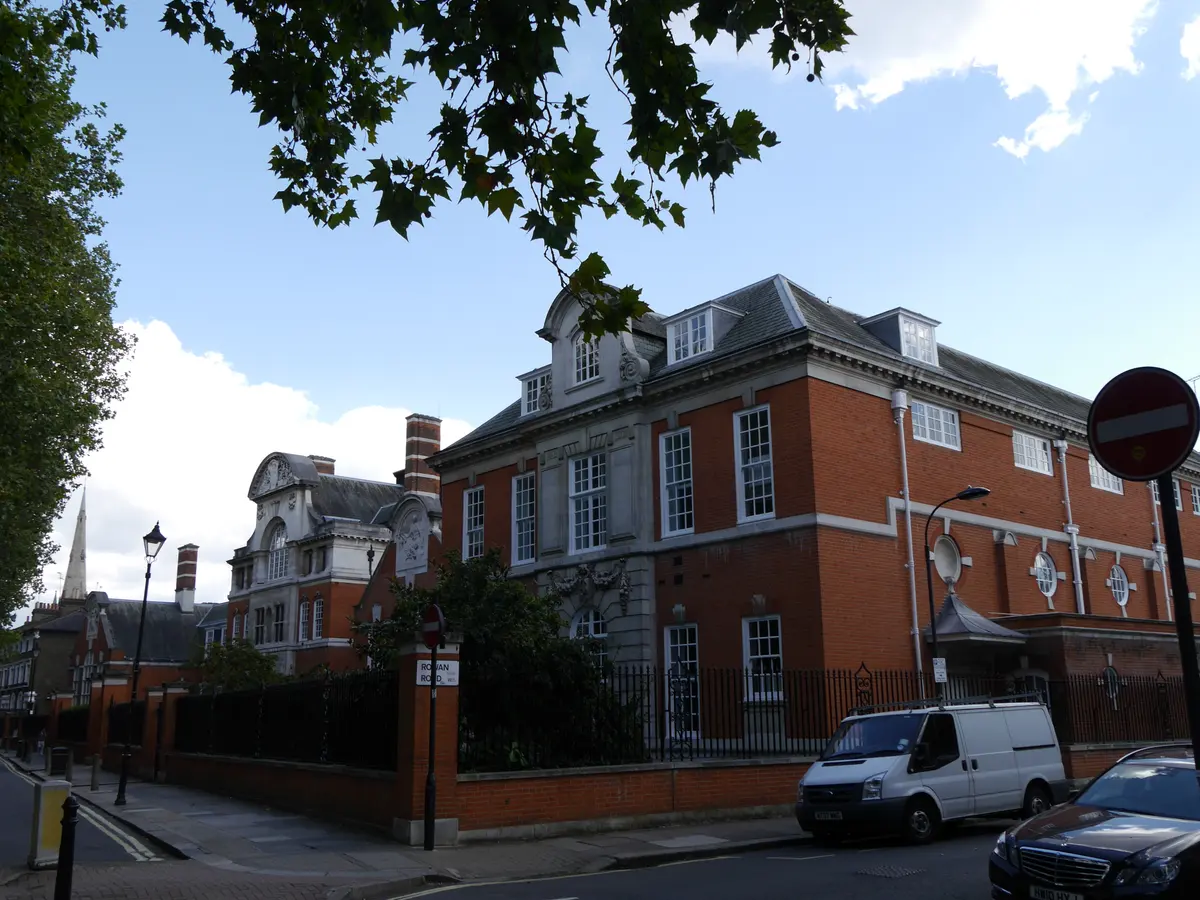
Hammersmith · London
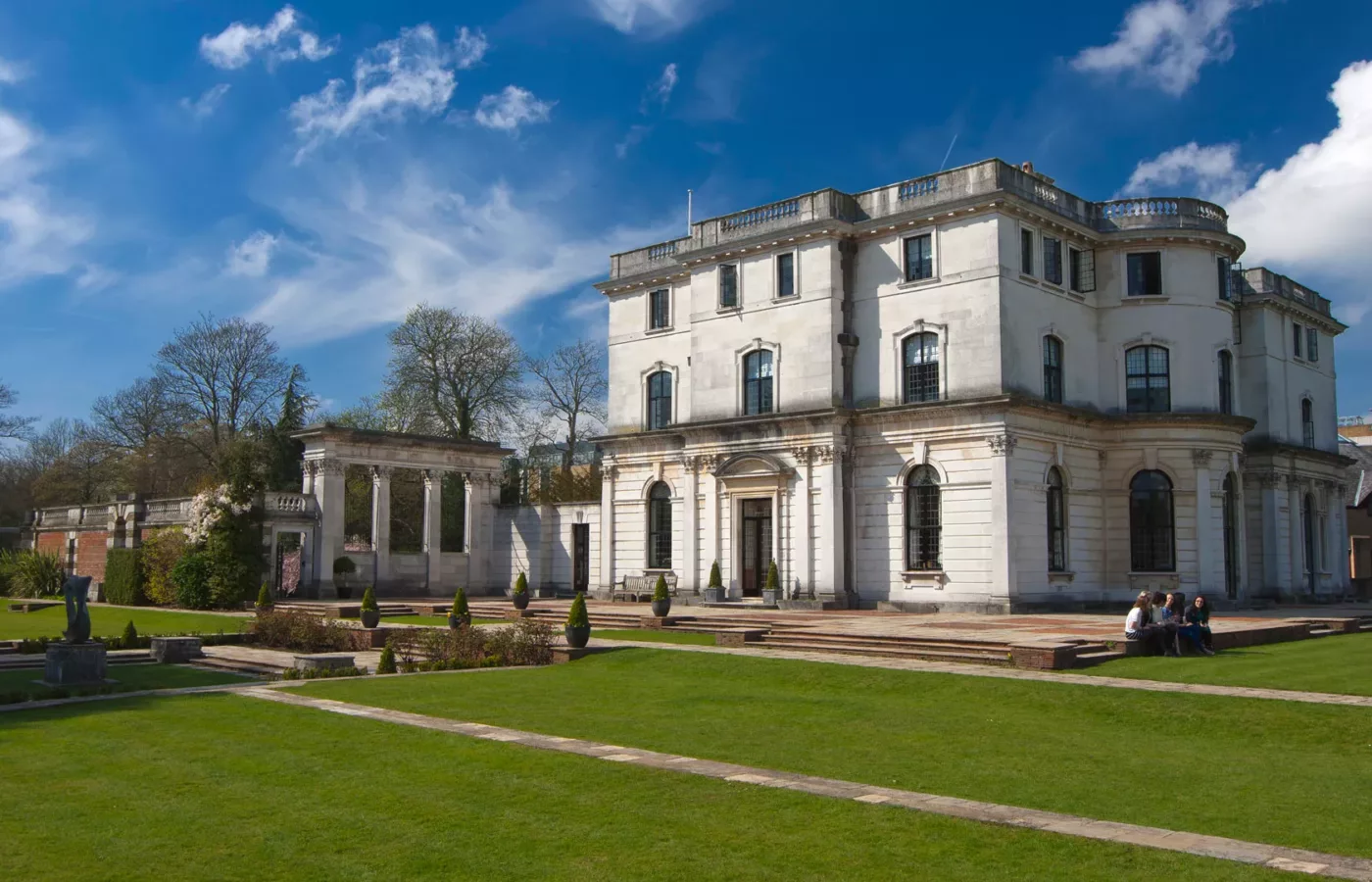
Edgware · London
| What to compare | St Paul’s Girls’ School | North London Collegiate School |
|---|---|---|
| Entry point | St Paul’s Girls’Year 7 · September 2027 | NLCSYear 7 · September 2027 |
| Registration deadline | St Paul’s Girls’6 November 2026 · 9am | NLCS13 November 2026 · 4pm |
| Assessment route | St Paul’s Girls’ISEB pre-test by 19 November, then written papers | NLCSWritten English and Maths; no verbal or non-verbal reasoning tests |
| Written examinations | St Paul’s Girls’5 December 2026 English, Maths and General Comprehension | NLCS3 December 2026 English and Maths |
| Interviews | St Paul’s Girls’16 or 24 January 2027 | NLCS11–22 January 2027 |
| Offers sent | St Paul’s Girls’12 February 2027 | NLCS12 February 2027 |
| Acceptance deadline | St Paul’s Girls’2 March 2027 | NLCSEarly March 2027 Exact date to be confirmed by the school |
Sources: St Paul’s Girls’ admissions ↗ · NLCS admissions ↗. Confirm dates and eligibility with each school before applying.
| What to compare | St Paul’s Girls’ School | North London Collegiate School |
|---|---|---|
| Termly school fee · VAT included | St Paul’s Girls’£12,854 | NLCS£10,365 |
| Annual estimate · 3 × termly fee | St Paul’s Girls’£38,562 | NLCS£31,095 |
| Lunch | St Paul’s Girls’Included in the termly school fee | NLCS£1,275 per year for school lunches |
| Application / assessment fee | St Paul’s Girls’£265 Waiver may apply for bursary-only applicants | NLCS£150 UK · £200 overseas |
| Acceptance deposit | St Paul’s Girls’Half of the current termly fee Additional deposit may apply for overseas families | NLCSHalf of one term’s fees Pro-rata for bursary recipients |
Sources: St Paul’s Girls’ fees ↗ · NLCS fees ↗. Annual estimates multiply the termly fee by three; they exclude additional charges and future fee increases. Lunch is included at SPGS and additional at NLCS. Transport, trips and other extras may add to the total.
| What to compare | St Paul’s Girls’ School | North London Collegiate School |
|---|---|---|
| GCSE / IGCSE · grades 9–8 | St Paul’s Girls’93.8% 9–1 graded entries · provisional | NLCS95.0% School-published GCSE / IGCSE figure |
| A level · grades A*–A | St Paul’s Girls’89.6% Provisional results | NLCS83.6% School-published A level figure |
Sources: SPGS GCSE PDF ↗ · SPGS A level PDF ↗ · NLCS results ↗. SPGS provisional figures are from its 11 September report; the GCSE comparison uses its 9–1 graded entries. NLCS figures are its published headline measures. These are school-level results, not predictions for an individual child.
Turn each school on your shortlist into a manageable set of tasks. Confirm the entry year, read the requirements and note the dates, then pick up your plan whenever you have time.
Try ticking off a task below. This demo checklist resets when you reload; applications are submitted directly to each school.
Two connected tools
Explore the topics identified from your target school’s available past papers. Help your child practise from different angles, work through difficult steps with AI and bring their learning together in mock tests.
Explore 11+ Practice ›Explore the 5 practice libraries in this preview to see which subjects and resources are available for your target school.
See school libraries ↗School planning questions
You can explore 279 school entries. The depth of profile information, fee history, results and admissions guidance varies, so each report helps you see the available sources and the details to check with the school.
Check the year, qualification or fee basis, and the original source. A per-term fee should not be compared directly with an annual figure; a reported grade percentage needs its qualification and cohort context.
No. Application guidance belongs to a particular entry cycle and can change. Use the school’s current official information for your intended year before taking an application step.
No. A shortlist and checklist help you organise research. Applications and confirmations must follow the school’s own process.
Not necessarily. Dedicated practice currently covers five schools. The 11+ Practice library explorer shows the actual subjects, topic sets and mock counts.
School Planner and Complete both include the proposed planning workspace. Complete adds available practice and review. Paid prices and final terms remain to be confirmed; see the Price page for details.
Take the first step towards your shortlist