
A question, a method, a next step.
Give your child a manageable place to start and a way to ask for help as they work.
- Practise one idea at a time
- Ask questions about the method
- Return to a mistake with a clearer approach
Start with the schools you’re considering. See what their available papers test, practise the topics and help your child work through the parts they find difficult. Five steps connect your planning to their learning.
Explore 279 schools and save the options that interest your family. Compare available entry requirements, fees and results, then keep the relevant dates and official guidance close to your plan.

Hammersmith · London
We review each supported school’s available past papers and organise the topics by subject. You and your child can see the areas to work on and choose a focused set of original practice questions.
Three topics from this school’s Maths library. Each contains 25 practice questions.
Help your child use a method when a question looks unfamiliar. Each topic brings together different formats and contexts, with diagrams where useful, so they can work through the idea behind the answer.
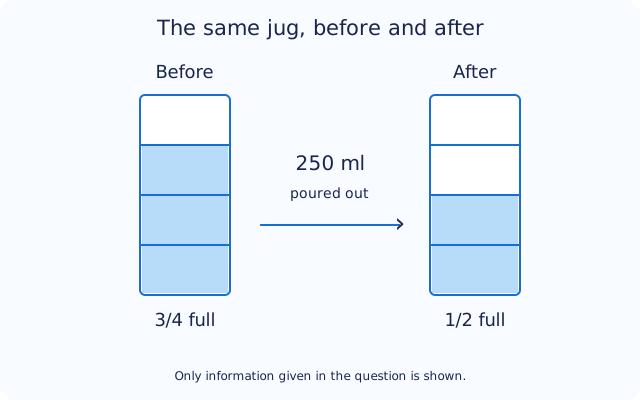
Compare the fractions. Work out the missing whole.
Original practice examples from the SPGS fractions topic.Your child can break a difficult question into smaller steps and ask about the exact part they don’t understand. They can request a simpler explanation, check the reasoning and then try again.
The interactive preview uses prepared example replies. AI access and usage allowances will be confirmed with the paid plans.
Illustrative AI explanation
Look at your child’s saved answers together and choose a topic to revisit. When they’re ready for a longer session, use a mock set to practise bringing different subjects and skills together.
questions attempted
A shared view of your child’s preparation
Give your child a manageable place to start and a way to ask for help as they work.
See the school plan, available practice and questions to revisit, so your support has a clear focus.
The practical details
You can try the free question and sample school report immediately. For ongoing practice, choosing a target school helps you find the relevant subject and topic library.
You can still explore its directory information where available. Dedicated practice currently covers five schools; check coverage on the 11+ Practice page before choosing a paid plan.
They can try the question first, then open a hint or a worked step when needed. The aim is to understand the method well enough to try a new question independently.
No. Progress shows practice activity and questions to revisit. It is not a prediction of admissions or future exam performance.
The website provides a sample report and an interactive question with prepared AI replies. Full workspace access is described in the proposed plans on the Price page.
See it for yourself